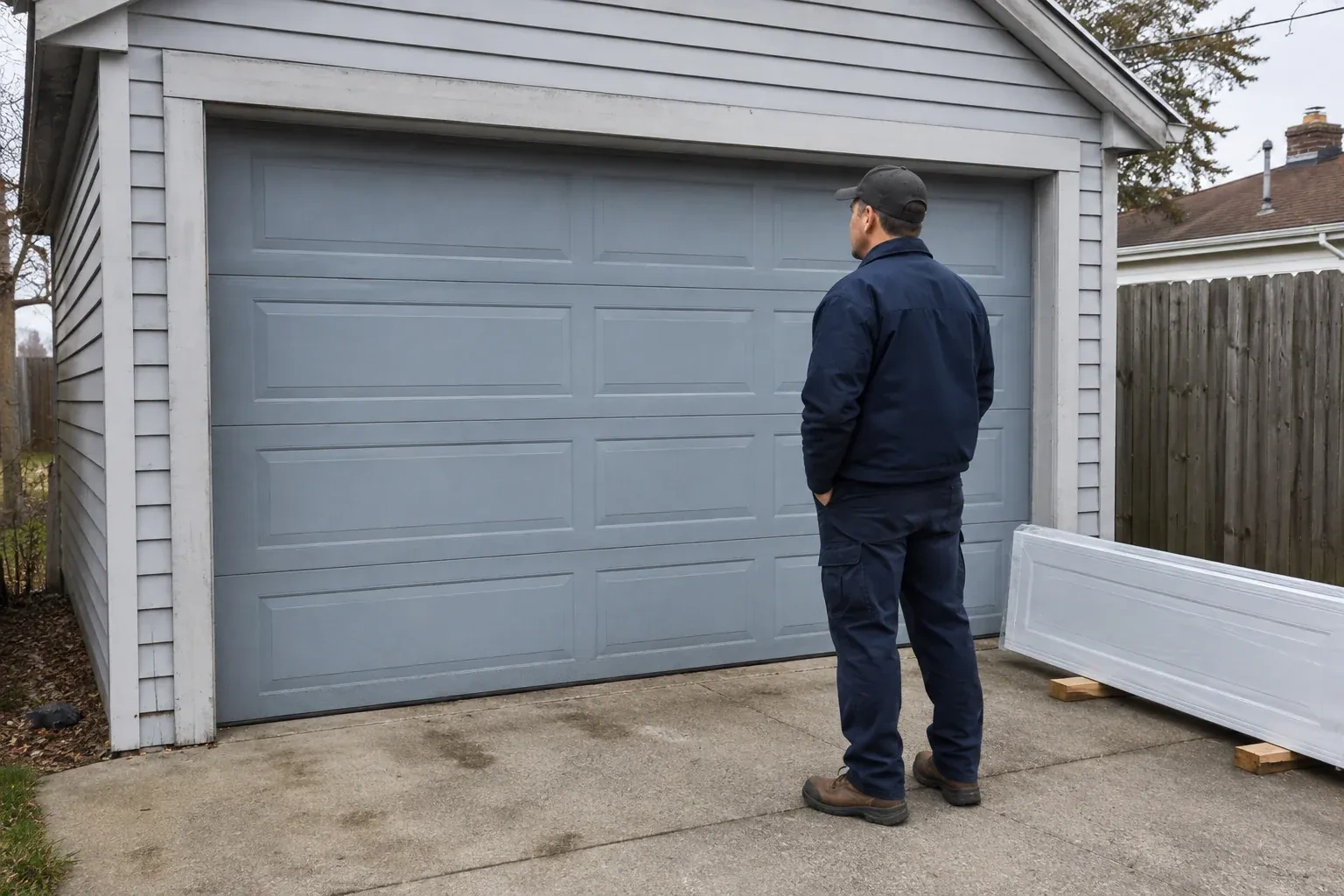
Garage Doors in Toronto, OntarioCheck. Measure. Adjust. Test.
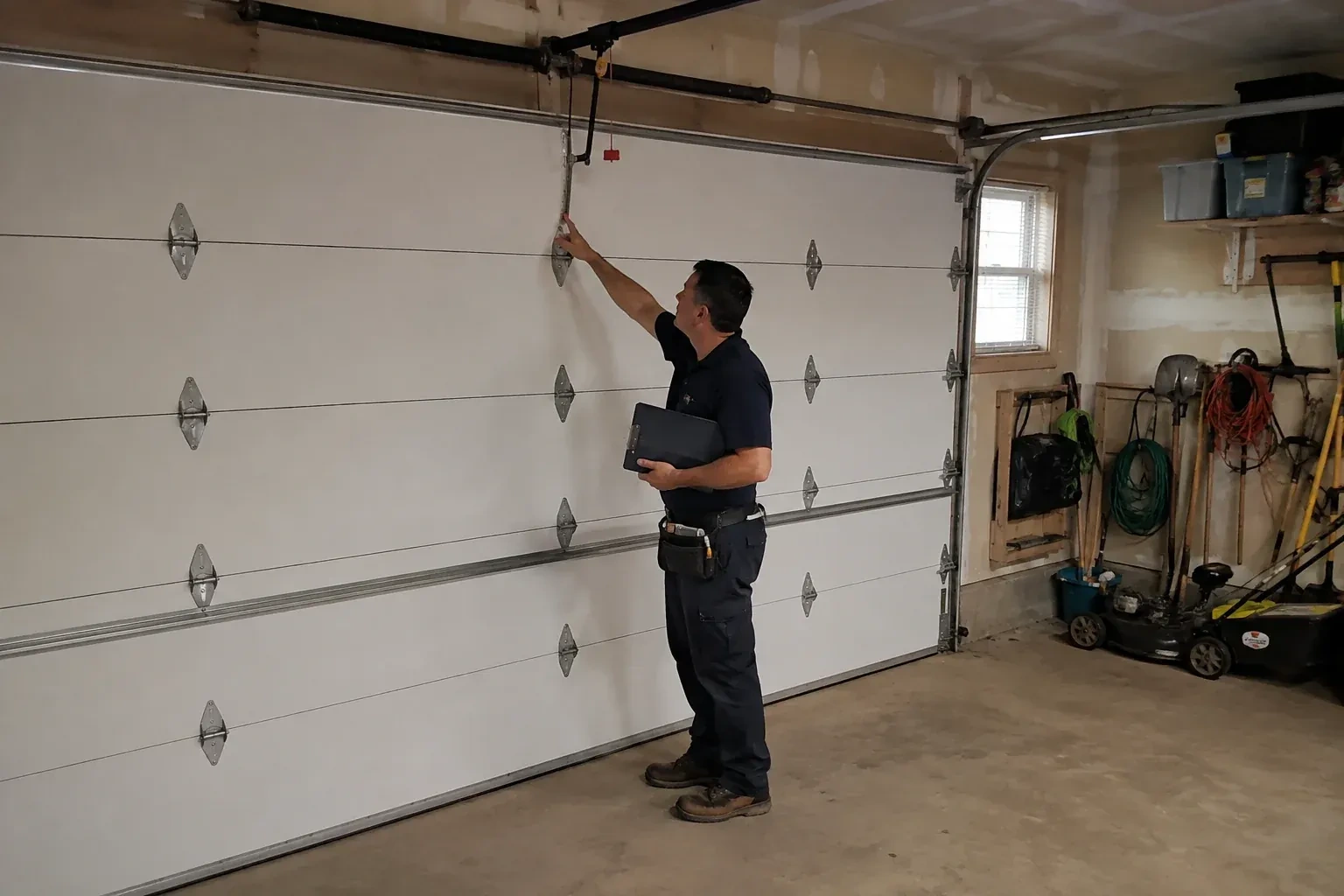
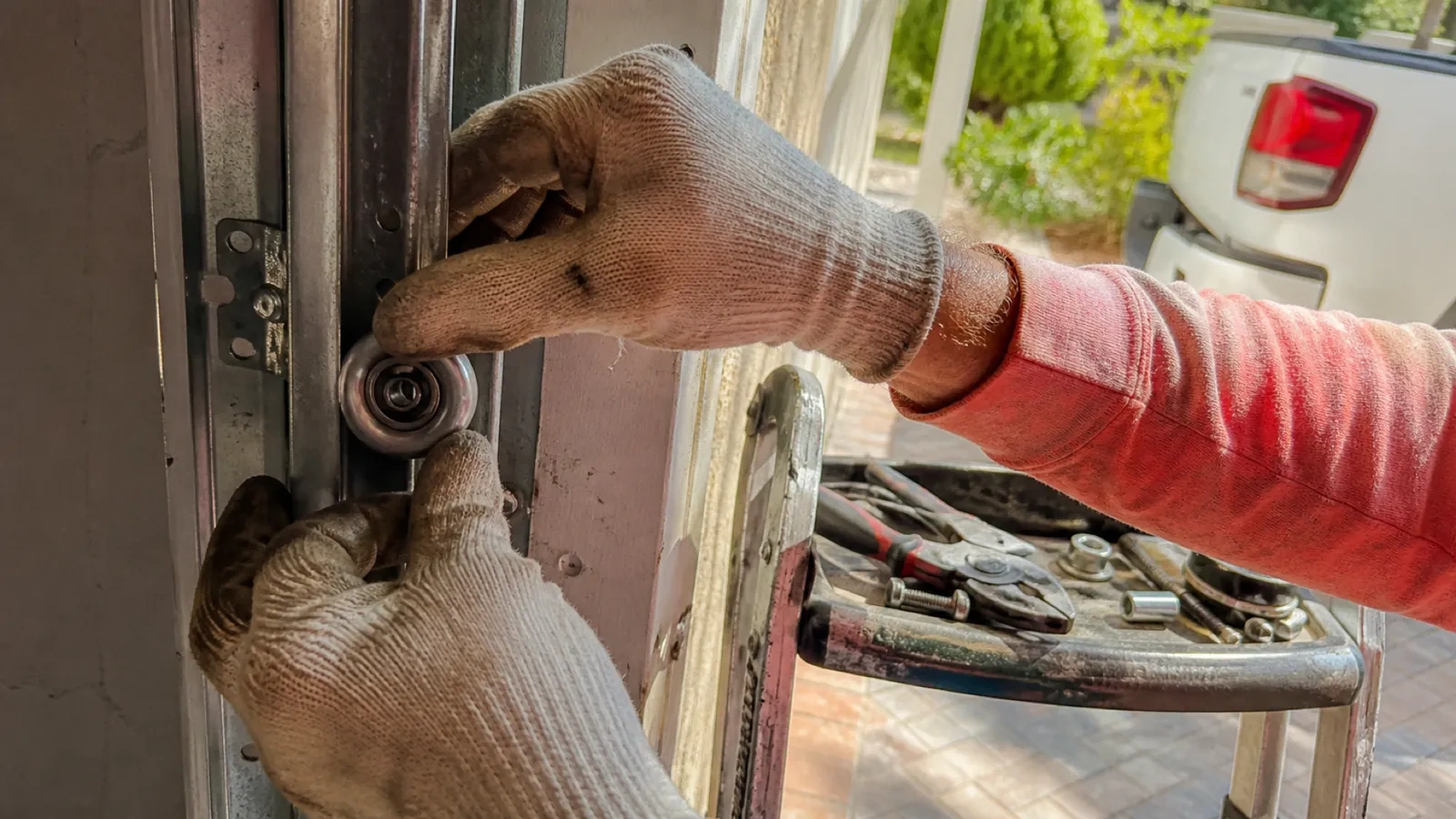
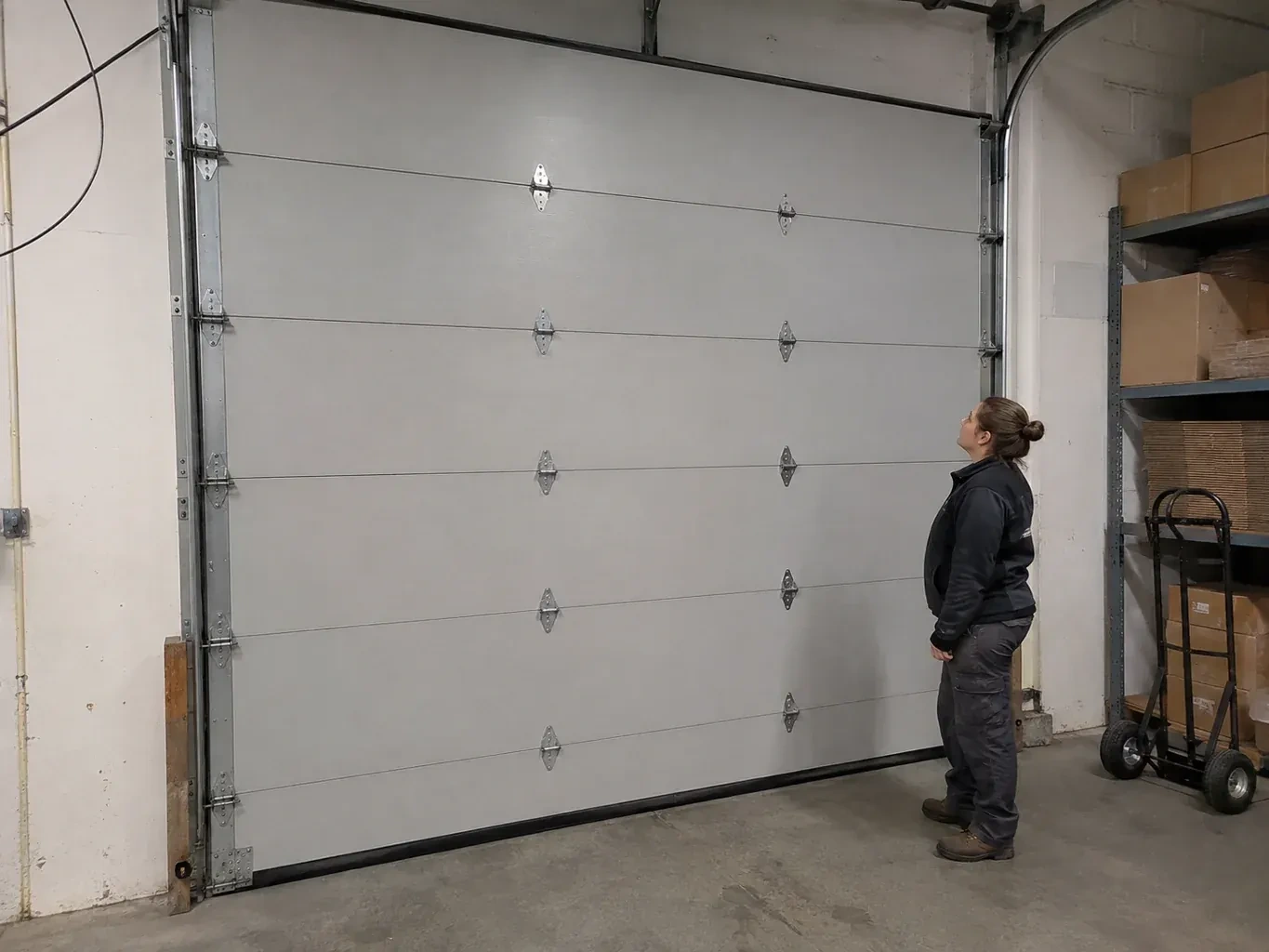
Every job follows the same order: inspect the whole door, measure spring size, cable length and door weight, make the adjustment, then run the door through full cycles and safety tests. Method is what makes a repair last instead of coming back.
We treat your garage as part of your home. Drop cloths go down before old springs come off, tools stay in one area, and every bit of old hardware, packaging and metal filings leaves with us. Your car goes back in when we are finished and the only trace we leave is a door that works.
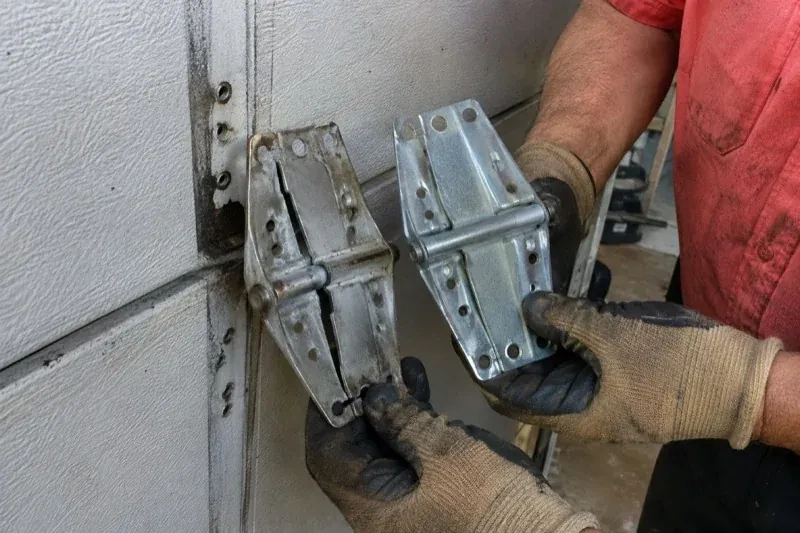
You understand what we found. We point to the worn part, show what it should look like and explain what happens if it stays as it is.
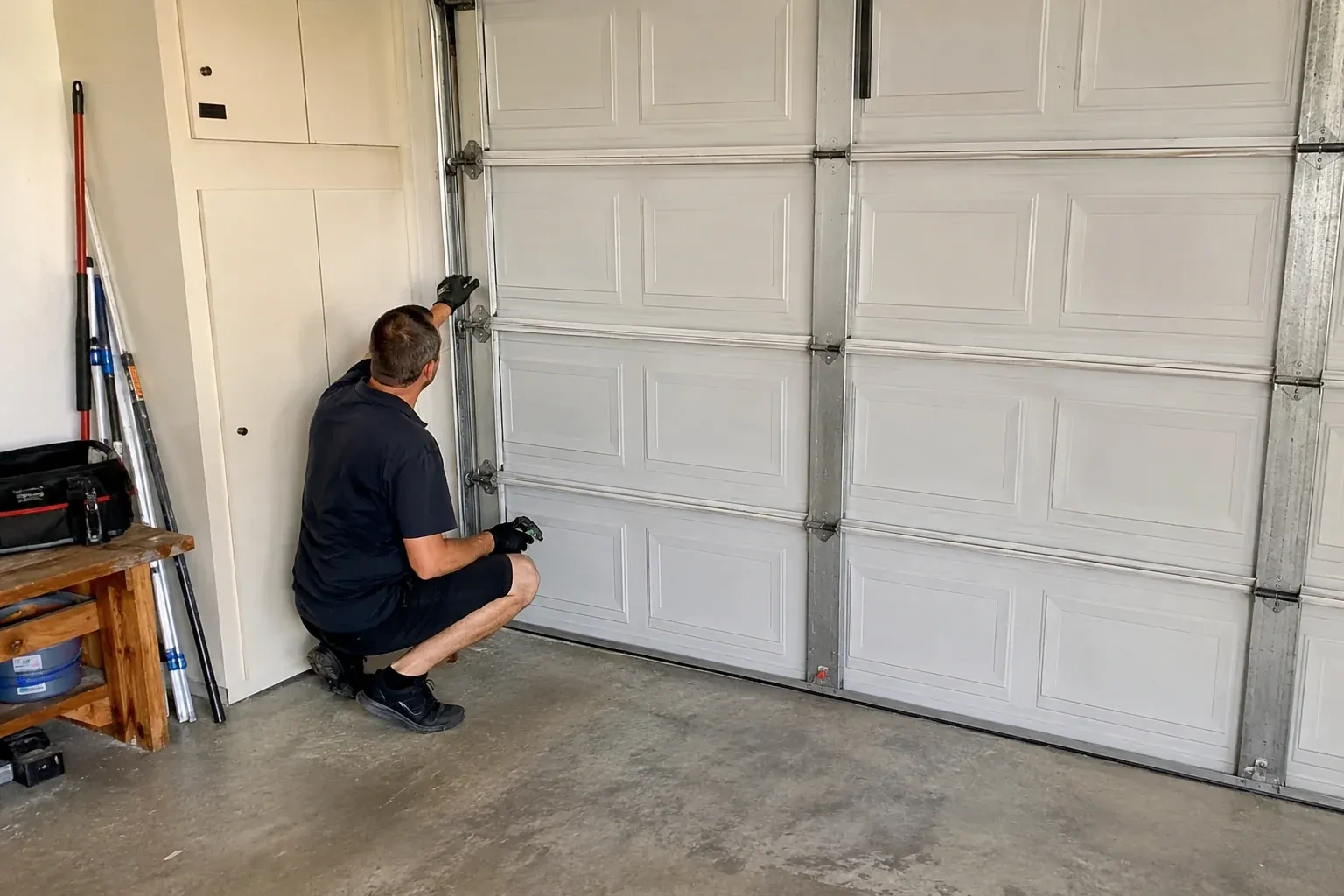
Tools and parts kept tidy. Our kit stays in one spot, cables and springs are bagged as they come out, and nothing gets left behind.
More than one way forward. Repair the part, refresh the whole system, or start over with a new door: we explain each so you can choose confidently.
Open 24/7, same fees any hour. Ask for a quote
26 years in business · Speak with us about the work: (289) 804-2651
Garage door spring replacement
Repairs, parts and new doors
Doors in this climate work hard: freezing nights, salt on the driveway, humid summers. Our services cover the wear that comes from all of it, plus the upgrades that make a door easier to live with, like insulation and phone control.
Springs & HardwareDoors that are hard to lift by hand, or that slam shut when released, are out of balance.
Springs & Hardware
Doors that are hard to lift by hand, or that slam shut when released, are out of balance.
The largest moving part of your home. Worth a closer look.
A garage door belongs to the architecture. Its movement belongs to your everyday life. We bring both into the conversation.
Job sheet1 of 3
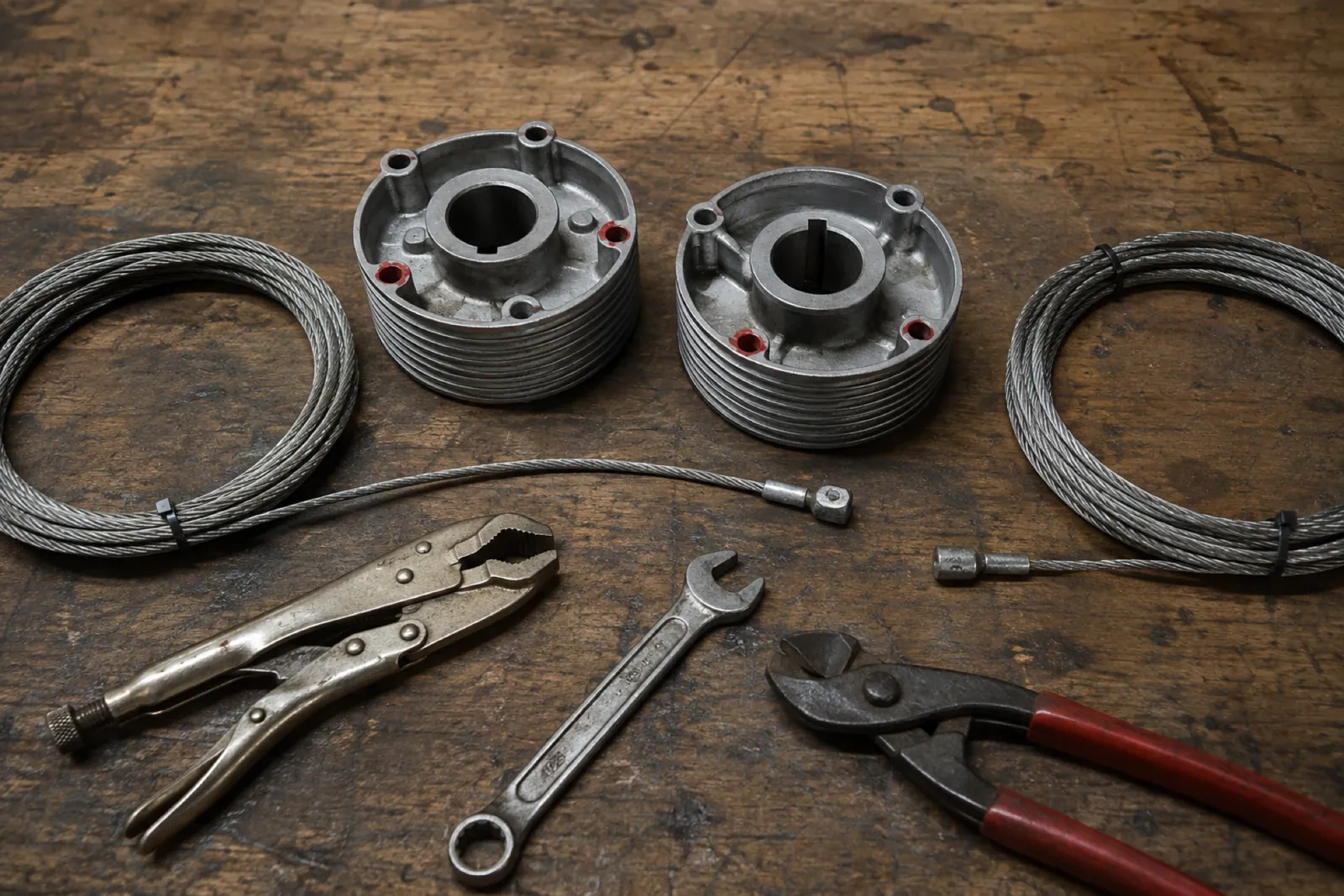
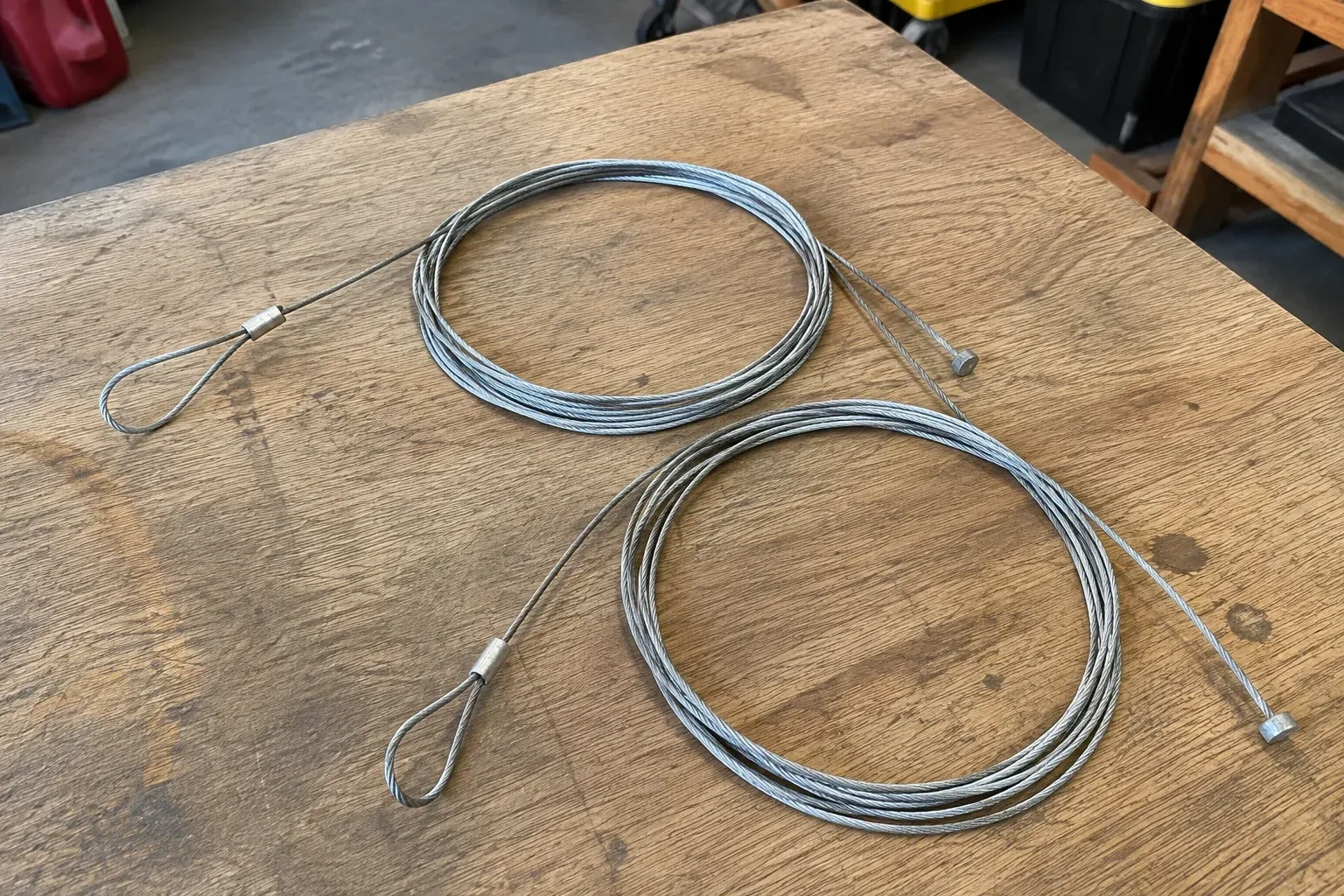
Garage Door Cable Replacement
The call
After years of slushy winters the cables look thinner near the bottom brackets, with rust streaks running down the door where they attach. The door still works, but the frayed wires catch your glove when you brush past.
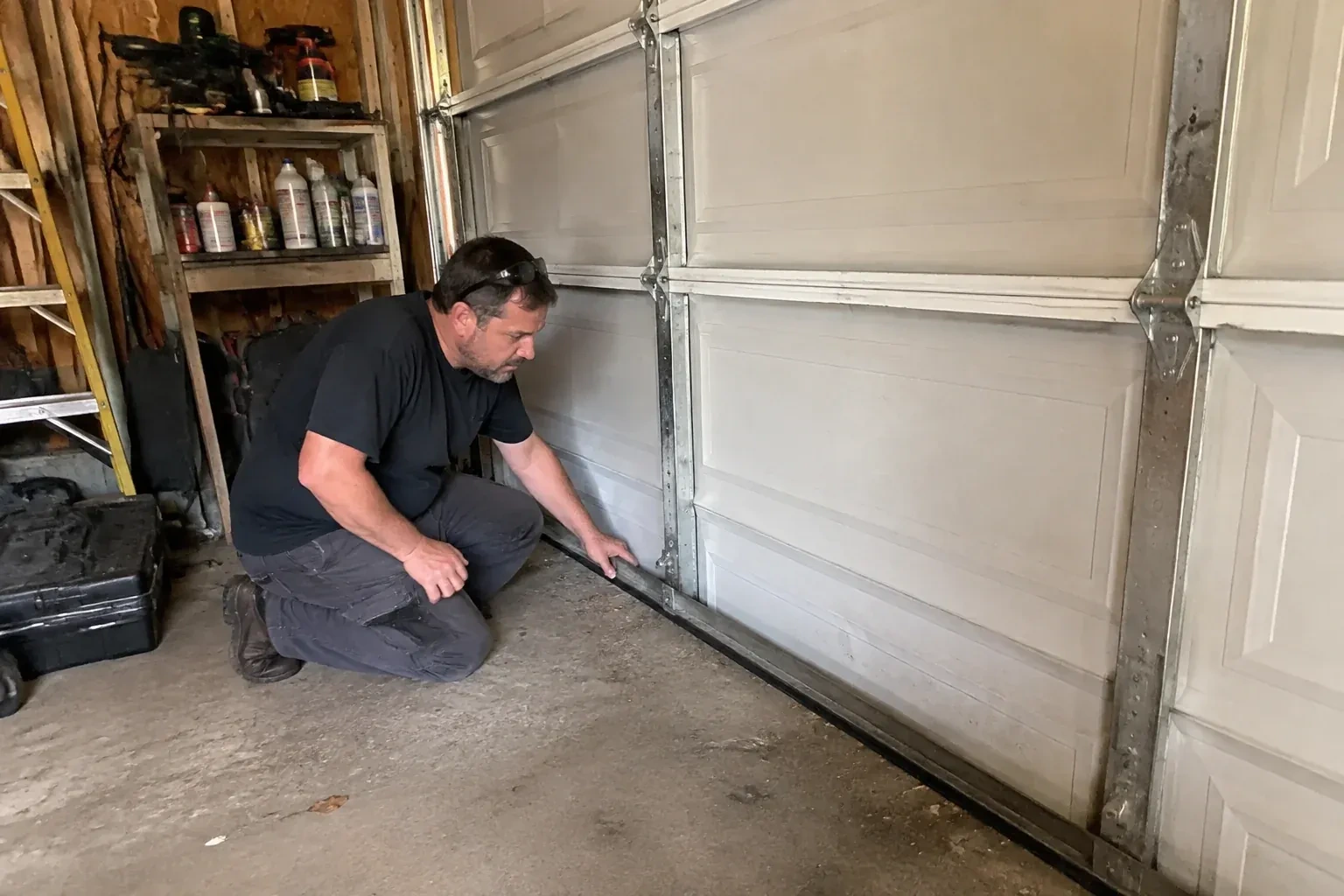
On windy nights the door rattles in its frame, there is a line of daylight along one side, and the bottom seal has gone hard and flat. Leaves and fine snow drift in underneath and the garage never seems to hold its temperature.
Press the button and the motor hums, but the door stays exactly where it is. Under the housing there is a dusting of white plastic shavings, the sign of a stripped drive gear, and this is the second time it has happened.
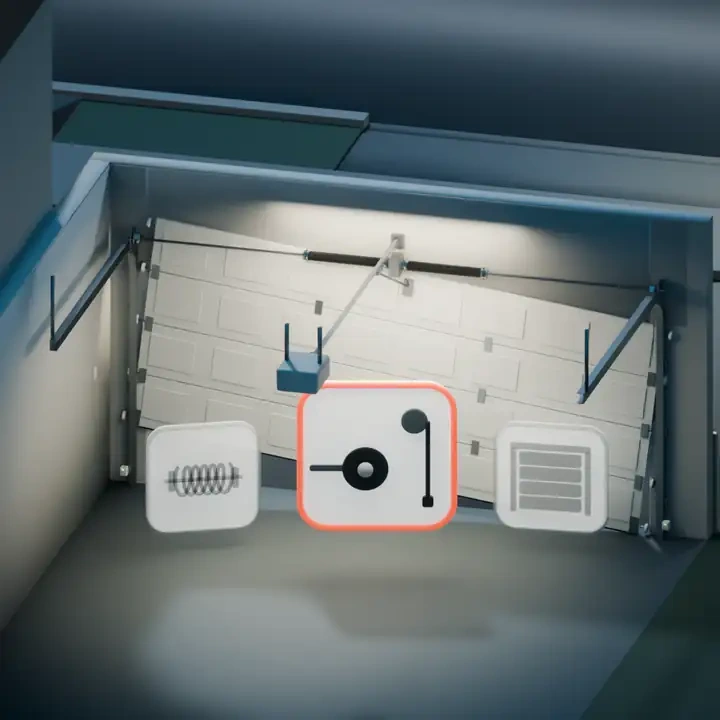
Doors that are hard to lift by hand, or that slam shut when released, are out of balance. Balance lives in the springs, and the services here restore it, whether that means new springs, a fresh cable or a careful adjustment.
Rust has crept along the bottom edge of the lowest section. What began as bubbling paint is now a soft, flaking strip, the seal retainer is working loose, and a screwdriver pressed against the worst spot goes through the steel.
After pulling the red release cord, you tried lifting the door yourself and it would barely leave the floor. A door that used to glide up with one hand now takes real effort, which points to the counterbalance rather than the opener.
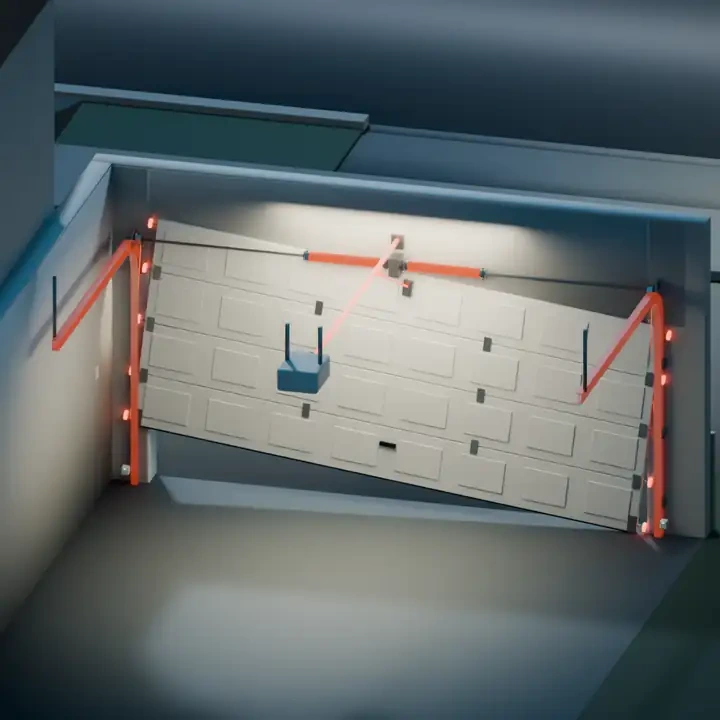
Your older door has springs along the tracks, and one cable has slipped off its pulley and dangles slack. The door lifts crooked and needs a shoulder to close, when it used to glide.
The door is the one the builder installed and has never had a part changed. It works, but it clatters, the wheels are hard white plastic with no bearings in them, and the opener sounds like it is labouring more each season.
It is a January morning and the door lifts about a hand's width, groans, and settles back down. When you pull the release and try by hand the door feels far heavier than it used to, and the bottom seal is stuck hard to the slab.
Garage Door Safety Inspection. There is a new sound.
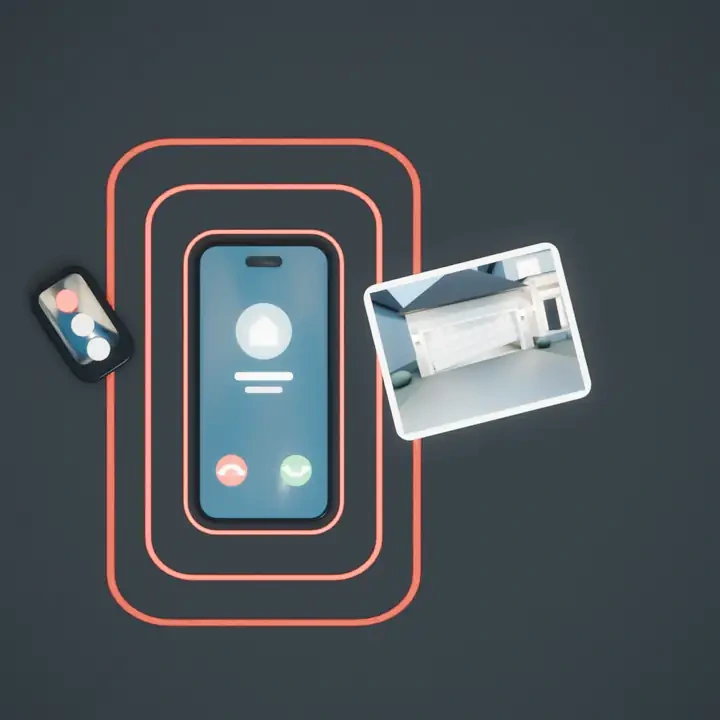
Opening on its own, or ignoring the remote from the driveway while the wall button works, points to a receiver or remote fault rather than a motor fault. We find the real cause instead of guessing.
For a new build, the door is one of the last things in and one of the first things people see. We work with the opening as framed, set the tracks true, and hand over a door that is balanced, sealed and programmed.
We treat your garage as part of your home. Drop cloths go down before old springs come off, tools stay in one area, and every bit of old hardware, packaging and metal filings leaves with us.
Scene 1 of 5
Call and describe the door
On our way
You understand what we found
Tools and parts kept tidy
More than one way forward
Step 1 of 5
Call and describe the door
Describe the property, the hardware and what has changed, and the visit starts from what you have seen.
Step 2 of 5
On our way
Grinding, slow climbing, a door that reverses: the symptom points to the part. We take it down and plan the visit around it.
Step 3 of 5
You understand what we found
We point to the worn part, show what it should look like and explain what happens if it stays as it is.
Step 4 of 5
Tools and parts kept tidy
Our kit stays in one spot, cables and springs are bagged as they come out, and nothing gets left behind.
Step 5 of 5
More than one way forward
Repair the part, refresh the whole system, or start over with a new door: we explain each so you can choose confidently.
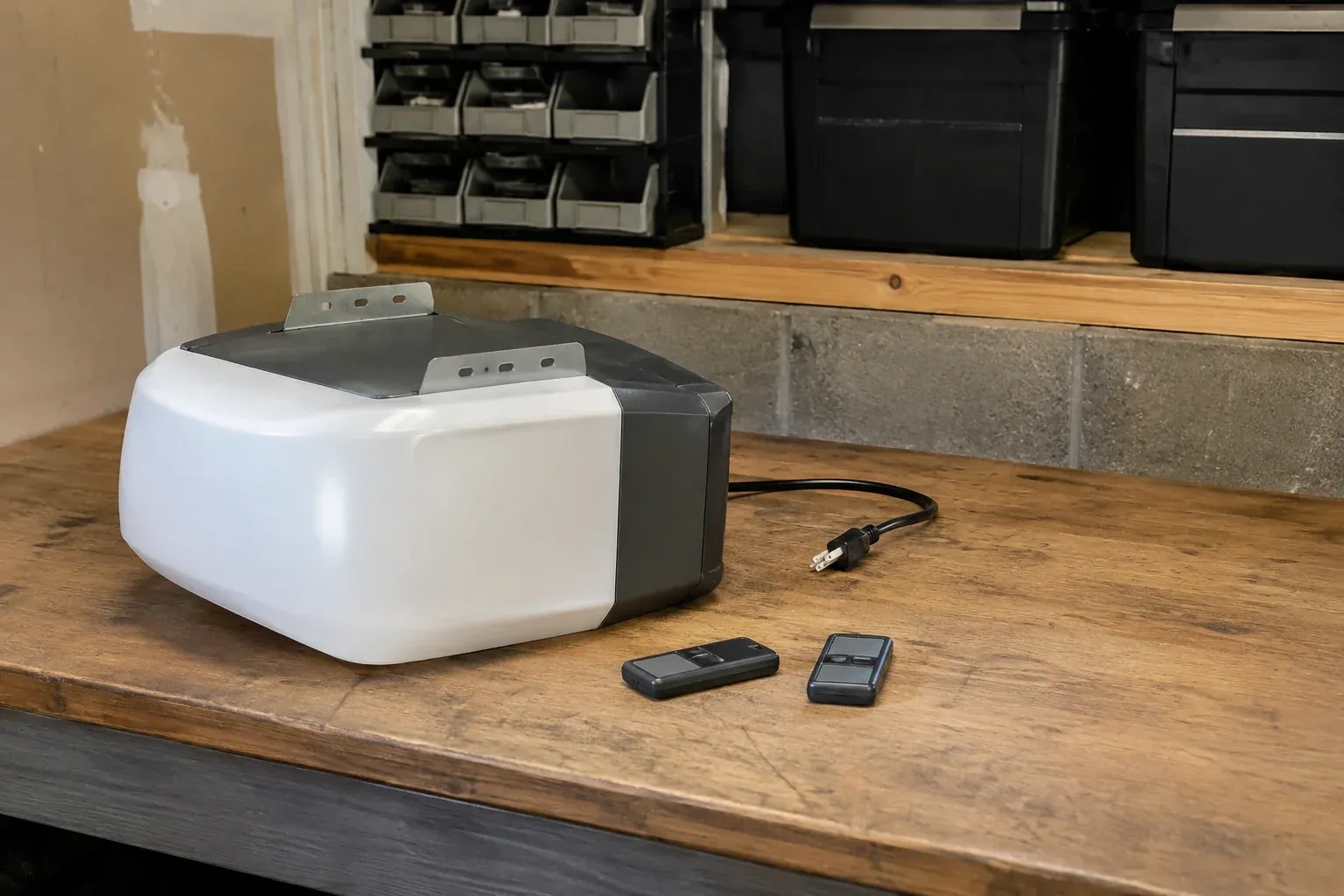
About 58% of homes in Toronto were built in 1980 or earlier, according to the 2021 Census.Original openers in older neighbourhoods often predate photo-eye sensors and rolling-code remotes. Bringing one up to date means a quieter motor, sensors that stop the door for a child or pet, and remotes that cannot be copied from the driveway, all installed in a single visit.
Single-detached houses make up about 23% of homes in Toronto (2021 Census).Condo and townhouse garages are frequently used for storage as much as parking, with the door opened many times a day, and the shared walls mean vibration travels. A well-balanced door, tight hardware and a quiet opener are the upgrades residents notice most.
Fairhaven Garage Door Services(289) 804-2651 · open 24/7
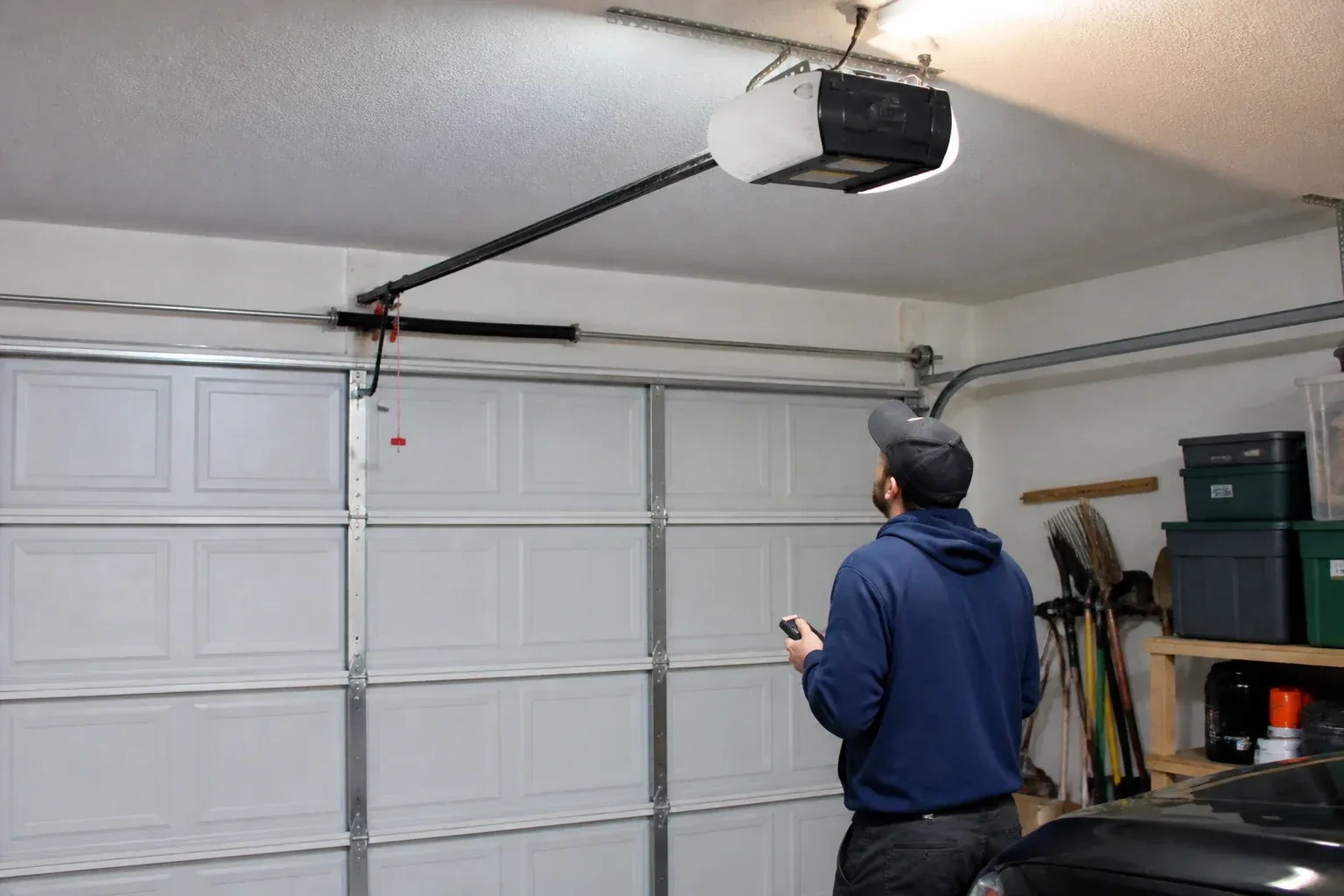
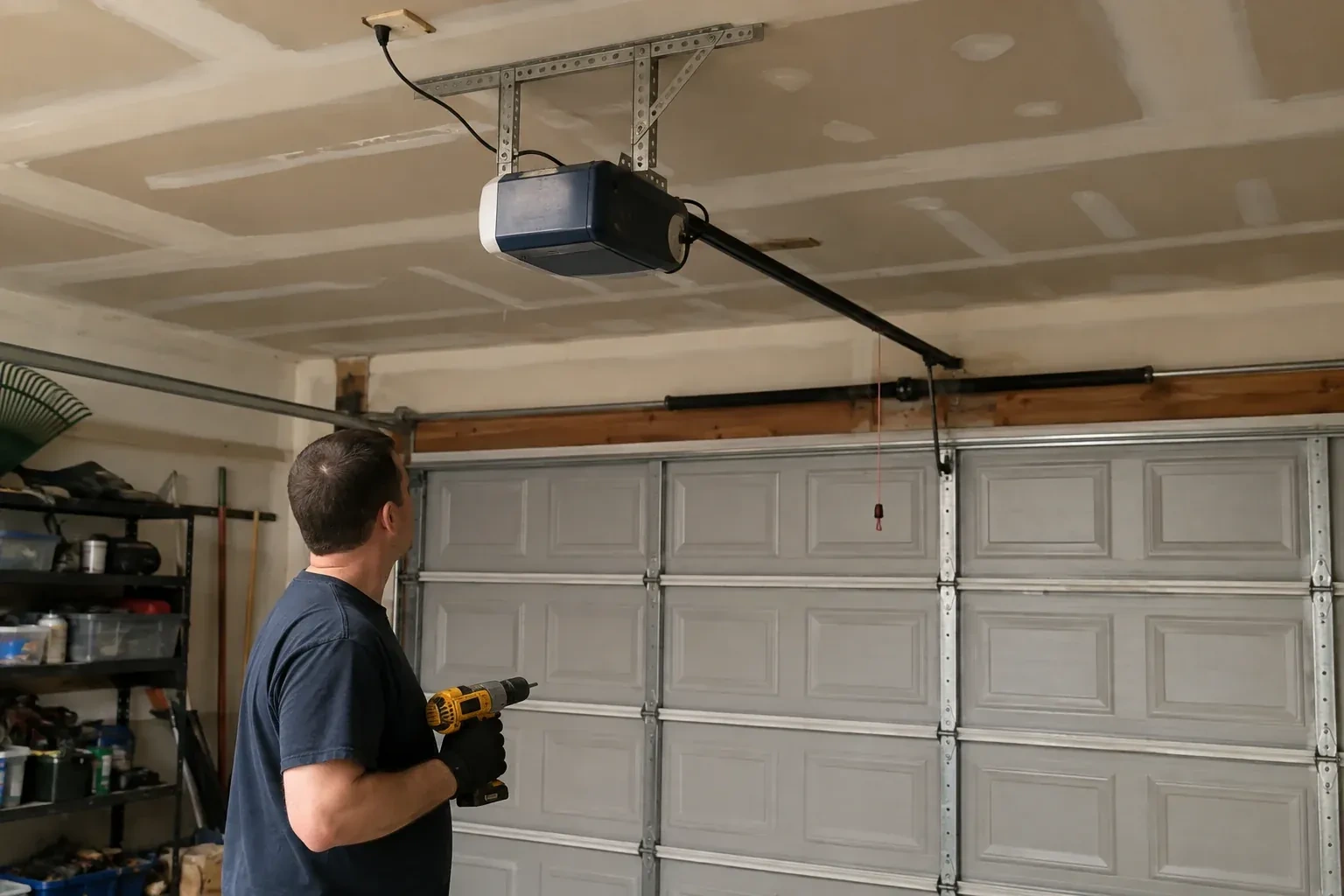
What is the red cord hanging from the opener, and should I pull it?
That is the manual release, which disconnects the door from the opener's trolley so the door can be moved by hand. It is safe to pull when the door is fully closed, and it is the right thing to do if the opener keeps trying to move a jammed door. Avoid pulling it with the door part way open unless a technician asks you to, because an unbalanced door can move once it is freed.
How long does an off-track reset take?
A single escaped roller on a sound door with no cable trouble is usually done in well under an hour once the door is secured. A door that has racked with slack cables, several rollers out and a bent hinge takes longer because the springs are unwound, cables rewound and hardware replaced before the rollers go back. A vehicle strike that needs new track is the longest version. You get an estimate of time on arrival.
Can I keep using the opener until someone comes?
It is better to leave the opener alone. A racked door does not become straighter with another cycle; every press of the button forces the crooked sections deeper into the rails and strains the hinges and wall brackets. Unplug the opener or pull the red release cord if the door is fully closed, keep people and vehicles clear, and let the technician move it in a controlled way.
How long does a torsion spring replacement take?
Most residential replacements are completed in one visit. Securing the door, measuring, removing the old spring, fitting and winding the new one, balancing and testing the opener typically takes an hour or two, longer if bearings, cables or a bent top section are also being dealt with. The technician confirms the scope after the first checks, so you know what the visit involves before the work starts.