Skip to content
FairhavenGarage Door ServicesOpen 24/7 (289) 804-2651
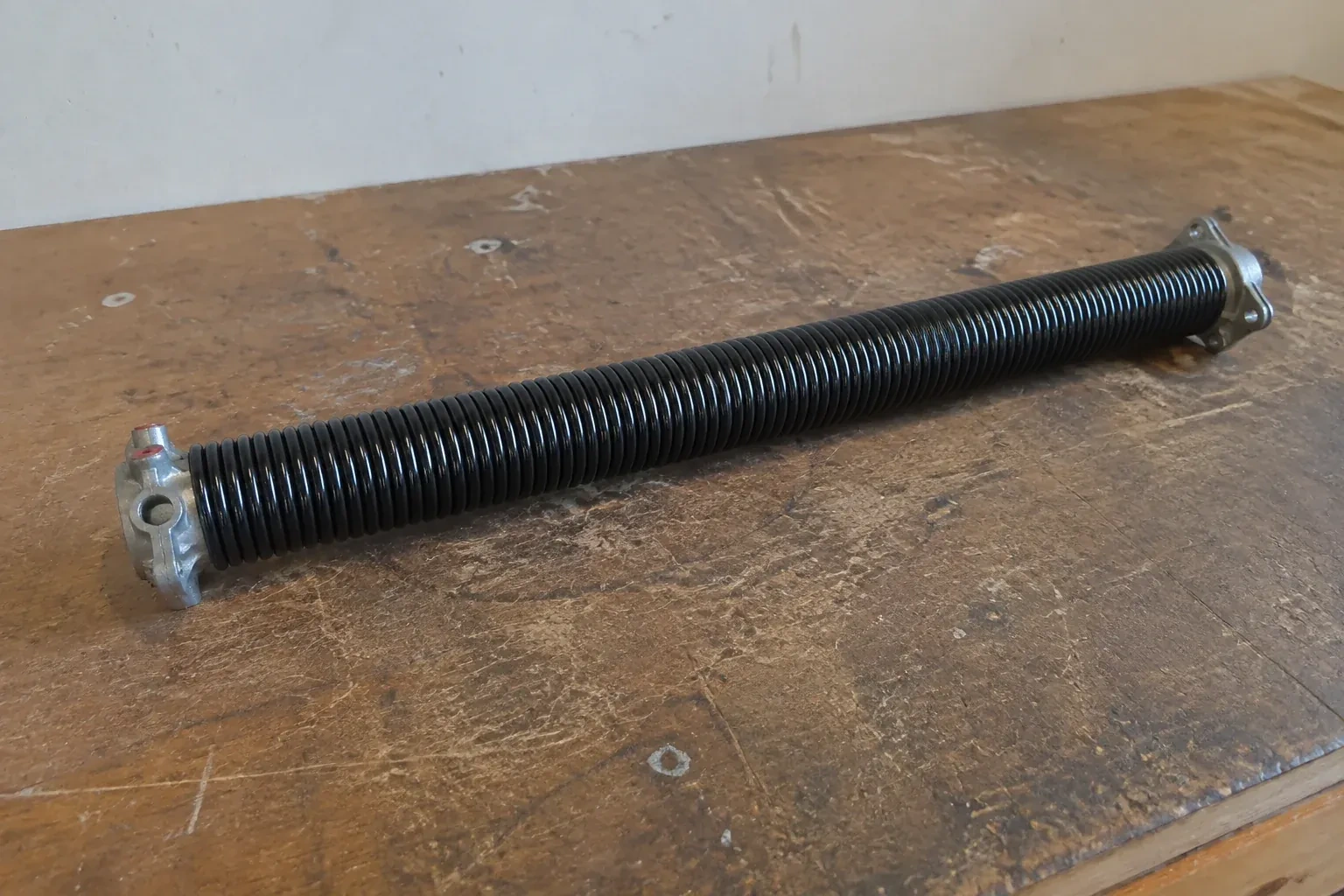
Detached black coil spring with metal end fittings on a workbench. — Torsion Spring Replacement, Toronto

Springs · Toronto

Torsion Spring Replacement

After pulling the red release cord, you tried lifting the door yourself and it would barely leave the floor. A door that used to glide up with one hand now takes real effort, which points to the counterbalance rather than the opener.

In plain words

A spring that breaks with the car inside puts the whole morning on hold, and this service is designed to get that door working again in a single visit. The technician arrives with a range of spring sizes, secures the door so it cannot move, identifies exactly which spring the door needs, and installs and winds the replacement. Once the door balances by hand, the opener is reconnected and tested. Until then the safe approach is simple: leave the door where it is, keep clear of it, and share a photo of the spring area so the right parts arrive on the truck.

Sound familiar?Toronto

The call
The door starts to rise, gets about the height of your knee, then shudders and reverses. The opener sounds strained, and the top section flexes as the trolley pulls on it, because the motor is doing work the spring used to do.
NextHow the visit goes

Torsion Spring Replacement · Toronto

How the visit goes

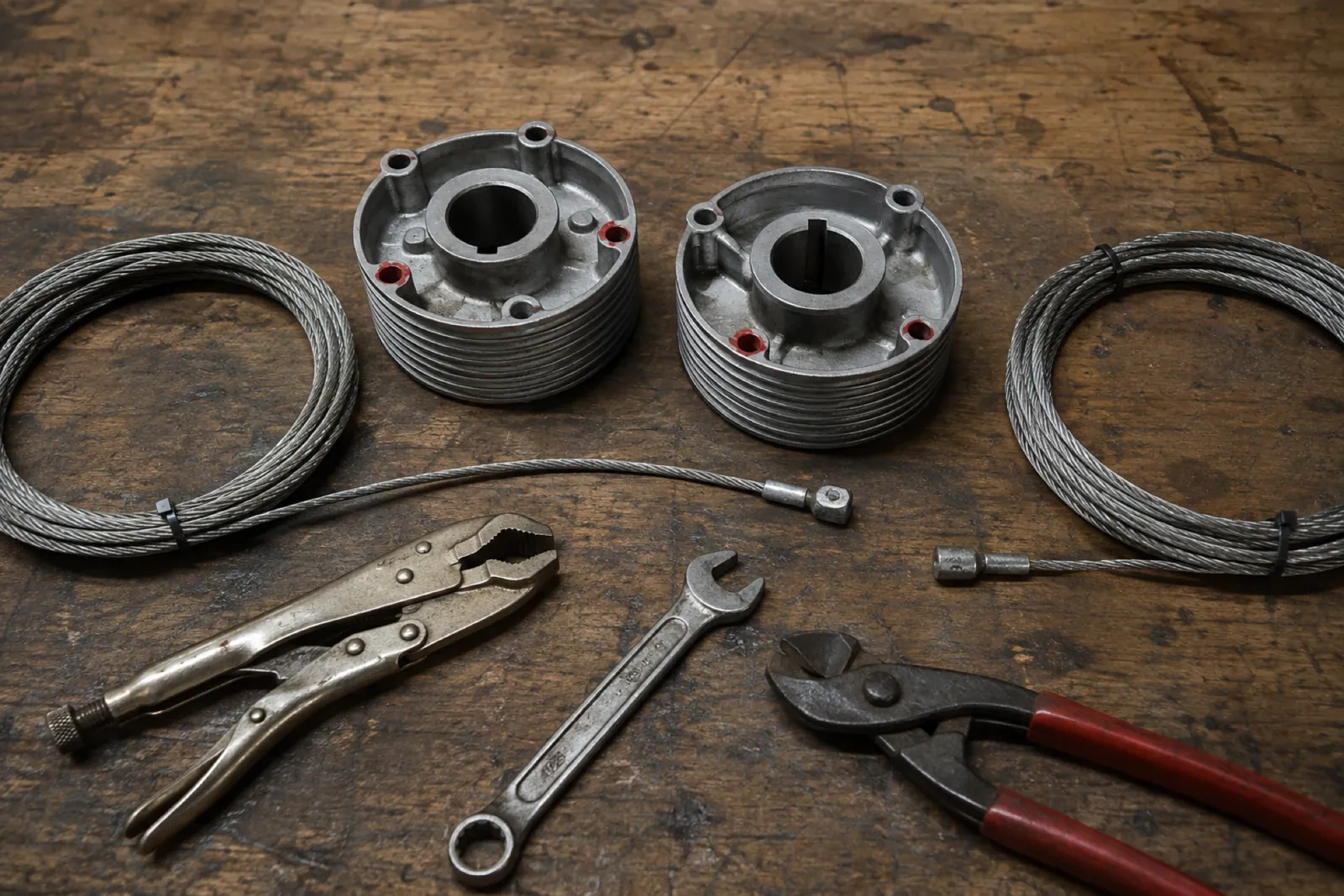
Pair of cast metal cable drums, two coiled steel cables, locking pliers, a combination wrench and red-handled cutters on a wooden bench.
  1. Scene 1

    Looking for damage the break left behind

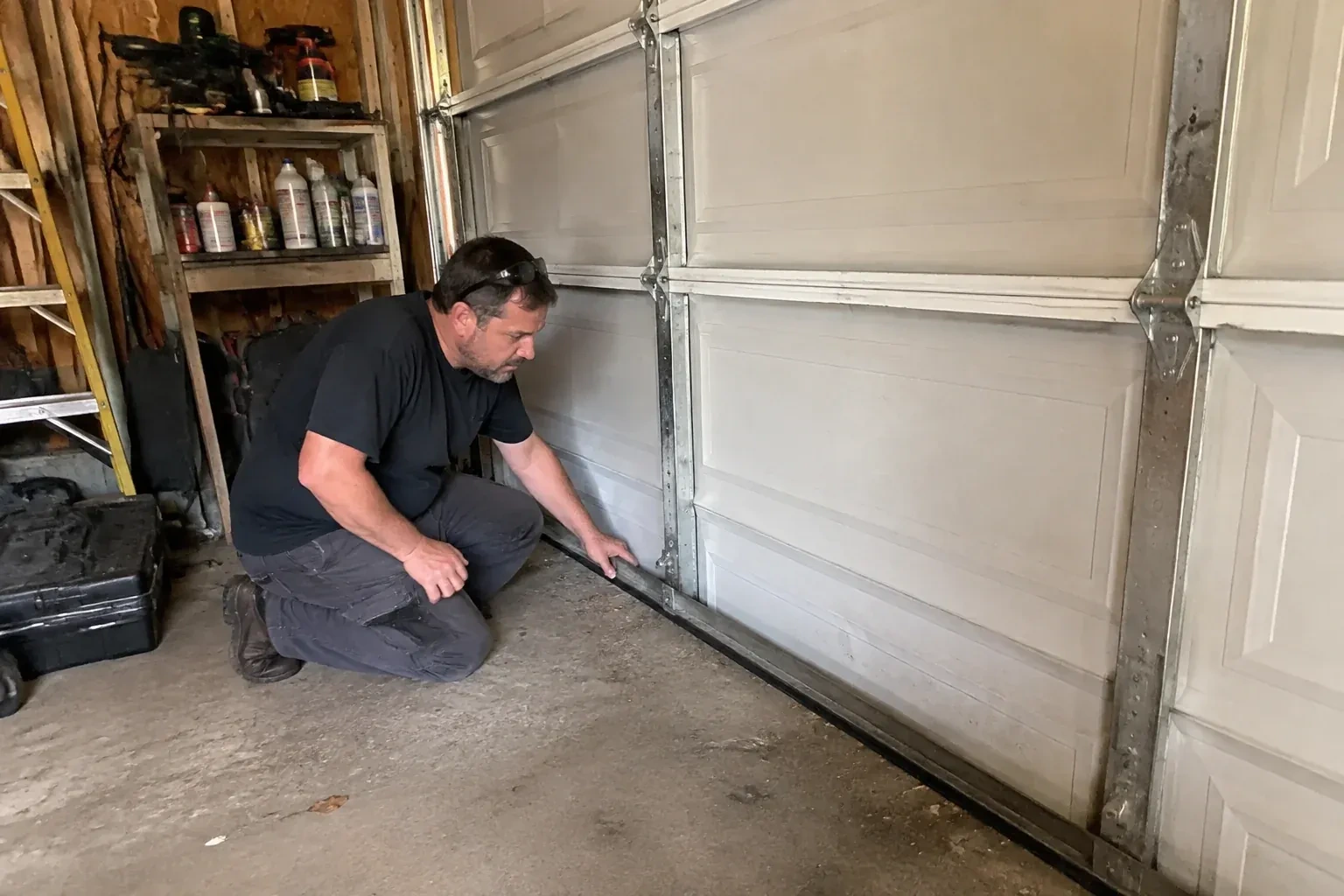
    When a spring snaps, the door's full weight suddenly lands on parts that were never meant to carry it. The technician checks the top section for a bow or crease where the opener trolley pulled, looks at the trolley and rail for bending, and inspects hinges and roller stems along the top panel. If the door came down crooked, the rollers and track are examined for a jump or a dent. Catching these effects before the new spring goes in means the balanced door runs on straight hardware rather than dragging a distorted section through the tracks.

  2. Scene 2

    Setting the cables and drums

    A balanced door depends on both cables pulling equally, so drum work gets careful attention. Each lift cable is wound into the grooves of its drum with the loop secured on the drum pin, and the drums are slid firmly against the end bearing plates. The technician rotates the shaft to take up slack, then sets tension so both cables are equally taut with the door fully closed; a level across the shaft confirms it is sitting true. Drum set screws are tightened to the shaft in this position. Even cable tension keeps the door square in its tracks through every part of its travel.

  3. Scene 3

    Using the manual release with confidence

    A balanced door is also a door you can operate safely by hand when the power is out. Pull the red release cord with the door closed to free the trolley, then lift the door with both hands on the handle or the bottom section; it should rise smoothly and stay open at full height. To re-engage, pull the cord toward the door until the trolley clicks back onto the carriage, or simply run the opener, which reconnects on most models. Because the spring now carries the weight, this is light work, and it is the recommended way to get a vehicle out during an outage.

In the van

  • Winding bars
  • Locking pliers for the track
  • Wire gauge and tape measure
  • Garage-door spring lubricant
  • Lift cables

What shapes the quoteFairhaven Garage Door Services

Drum type and lift configuration
Standard-lift drums are the common case. High-lift, vertical-lift or low-headroom arrangements use different drums, cable lengths and turn counts, which changes the parts and the time involved.
Door size and weight
A double-width door, a solid wood door or a thick insulated door weighs far more than a single-width steel panel, calling for heavier wire, longer coils or more springs to balance it.
Spring finish
Oil-tempered and galvanized springs suit different garages. A coated or galvanized spring for a damp or salt-exposed space is a choice the customer can make when the specification is discussed.

FeesSame any hour

Have it ready

Before you call · 0 / 3

(289) 804-2651

What to expect, in questions

How long does a torsion spring replacement take?

Most residential replacements are completed in one visit. Securing the door, measuring, removing the old spring, fitting and winding the new one, balancing and testing the opener typically takes an hour or two, longer if bearings, cables or a bent top section are also being dealt with. The technician confirms the scope after the first checks, so you know what the visit involves before the work starts.

Do I need to be home for the visit?

It helps to have someone present to open the garage, point out anything you noticed and hear how the door should feel afterwards. The technician needs power at the opener outlet, clear space under the shaft for a ladder, and access to both sides of the door. If a vehicle is inside, it stays until the door is working. Being there also lets you approve any extra items, such as bearings or cables, as they come up.

How can I tell if my springs are wearing out before they break?

Watch for a door that feels heavier by hand when the opener is released, an opener that strains or slows, a door that drops the last stretch rather than settling, or one that drifts down when stopped halfway. Visually, look for stretched gaps between coils, rust streaks or pitting on the steel, and any sag in the shaft. A balance check when you notice these lets you plan a replacement rather than react to one.

Torontoinformation

TorontoOntario

Town
Toronto
In business
26 years
Hours
Open 24/7
Nights, weekends and holidays, same fees
Visits
On-site assessment preferred. Request a visit or call.

2021 census: what it means at the door

Every square is one home in a hundred.

  • 58 in 100 homes · older homes
  • About 58% of homes in Toronto were built in 1980 or earlier, according to the 2021 Census.Original openers in older neighbourhoods often predate photo-eye sensors and rolling-code remotes. Bringing one up to date means a quieter motor, sensors that stop the door for a child or pet, and remotes that cannot be copied from the driveway, all installed in a single visit.
  • Single-detached houses make up about 23% of homes in Toronto (2021 Census).Condo and townhouse garages are frequently used for storage as much as parking, with the door opened many times a day, and the shared walls mean vibration travels. A well-balanced door, tight hardware and a quiet opener are the upgrades residents notice most.

Source: Statistics Canada, Census Profile

Open Toronto in Google Maps

On-site assessment

Request a visit.

After pulling the red release cord, you tried lifting the door yourself and it would barely leave the floor.

(289) 804-2651, open 24/7.